
The Myth of Spring: Why Winter is the Absolute Best Time to Remove a Tree
If you drive through Charlotte’s established neighborhoods like Myers Park, Dilworth, or South Park right now, you will see a lot of quiet yards. The grass is dormant. The leaves are gone. The landscaping equipment is packed away in garages. For the average homeowner, winter is a time to hibernate, ignore the yard, and wait until the first azaleas bloom in April to think about outdoor projects.
But you are not the average homeowner. You are looking to protect your property and maximize your investment.
There is a pervasive and expensive myth in the landscaping world that tree work should be reserved for the spring or summer. This is completely backward. While amateurs wait for warm weather to start their projects, the true industry experts know that January and February are the Gold Rush months for heavy tree removal.
At Queen City Tree Service, we do not just cut wood. We engineer solutions for complex landscapes. Winter offers a unique set of physical, biological, and logistical advantages that make it the safest, cleanest, and most efficient time to remove a large, hazardous tree from your property.
Here is the comprehensive breakdown of why waiting until spring is a mistake you cannot afford to make.
The Physics of Removal: Eliminating Water Weight
To understand tree removal, you have to understand gravity. Trees are essentially giant, vertical sponges. In the spring and summer, a large Willow Oak or Maple is actively pumping hundreds of gallons of water from the root system to the canopy every single day. This process, known as transpiration, adds an immense amount of “water weight” to the structure.
When you combine that water weight with the sheer mass of full foliage, every single branch we cut is significantly heavier than it needs to be.
In the winter, the tree is dormant. The sap has descended to the roots to store energy. The leaves are gone. This difference in weight is massive. A branch that might weigh 800 pounds in June might weigh only 500 pounds in January.
- Less Stress on Equipment: Lighter wood means less strain on our cranes, ropes, and pulleys.
- Greater Control: A lighter load is easier to manipulate and lower slowly, which is critical when we are working inches away from your roof or gutter.
- Efficient Cleanup: Lighter wood is easier to chip and haul. This translates to a faster job site breakdown, getting our trucks out of your driveway sooner.
The Clay Factor: Ground Protection and Heavy Machinery
This is arguably the most critical factor for Charlotte homeowners. Our region is famous for its heavy red clay soil. In the spring and summer, regular rainfall turns that clay into a slippery, waterlogged sponge. Driving a 30,000 pound grapple truck or a skid steer across a wet Charlotte lawn in April is a recipe for disaster. It can leave deep ruts that destroy your grading, compact the soil to the point where grass won’t grow, and require expensive landscaping repairs.
In January and February, the ground is different. Even in our mild winters, the soil creates a harder, more stable crust.
- The “Pavement” Effect: Cold clay acts almost like pavement. We can drive heavy loaders across your lawn to retrieve a log and leave barely a footprint behind.
- Matting Systems: When we combine firm winter ground with our specialized ground protection mats, we can access backyards that would be off limits in the rainy season.
- Zero Impact: If you care about the condition of your turf, winter is the only time to bring in the heavy iron without anxiety.
The X Ray Effect: Superior Visibility and Rigging
In July, a massive tree is a wall of green. That foliage is beautiful, but for an arborist, it is a blindfold. It hides structural defects, cracks in the upper canopy, and complex wiring situations that make removal dangerous.
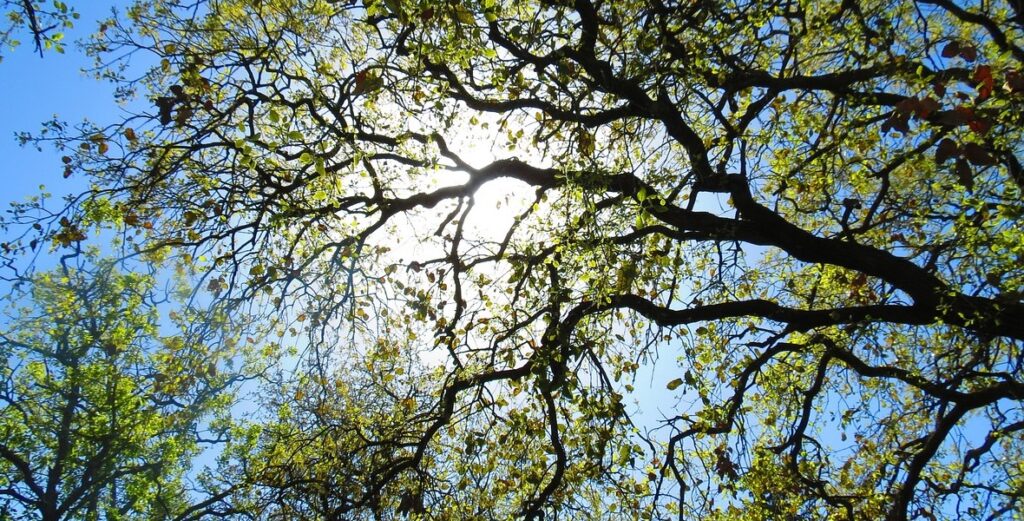
Right now, your deciduous trees are naked. This “skeleton view” gives our certified arborists a tactical advantage that is impossible to replicate in summer.
- Precision Rigging: We can see the entire architecture of the tree. We can spot the exact natural crotches and “tie in” points for our rigging lines without guessing.
- Hazard Identification: We can identify hidden “widowmakers” (broken limbs hanging loosely in the canopy) before our climbers even leave the ground.
- Power Line Safety: Without leaves obscuring the view, we can clearly see how close branches are to service lines or high voltage wires, allowing us to navigate them with absolute certainty. This visibility translates directly to safety. When we can see the hazard clearly, we can dismantle the tree with surgical precision. There is no guesswork. There are no surprises.
Biological Warfare: Stopping Disease Before It Starts
Charlotte is home to some of the finest oak trees in the country, but they are under constant threat from aggressive diseases like Oak Wilt. This deadly fungus is spread by sap feeding beetles that are attracted to the scent of fresh wood wounds.
If you cut an oak tree in April, May, or June, you are essentially ringing a dinner bell for these beetles. The smell of fresh sawdust draws them in from miles away. They can land on the stump or the remaining brush, infect the wound, and then spread the disease to the other oak trees on your property or your neighbor’s property.
In the winter, those beetles are dead or dormant. The transmission vector is effectively gone. By removing a tree now, you minimize the biological footprint of the work. You eliminate the risk of spreading infection to the valuable trees you want to keep. It is the most responsible biological choice for your entire landscape ecosystem.
The “Spring Storm” Buffer
We all know the weather patterns in the Piedmont. March and April bring violent thunderstorms, high winds, and hail. It is the most volatile weather season of the year. Every year, we see the same tragedy: a homeowner identifies a dying tree in January but decides to “wait until it gets warmer” to deal with it. Then, a March squall line moves through, and that unstable tree ends up in the living room.
Winter removal is your pre emptive strike.
- Remove the Target: By taking down the hazard now, you remove the target before the ammunition (wind and lightning) arrives.
- Peace of Mind: You can sleep through the spring thunderstorms knowing that the massive liability in the backyard is already gone.
Landscape Preservation: Protecting Your Perennials
Look at the flower beds beneath your trees. Right now, your hostas, ferns, hydrangeas, and azaleas are sleeping. In many cases, they have died back to the ground entirely. This creates a massive logistical advantage for our crews.
- Access: We can walk through flower beds to access the trunk without stepping on delicate blooms.
- Debris Management: If a small branch drops into a garden bed in May, it crushes the plants. If it drops in January, it lands on mulch.
- Recovery: Any minor soil disturbance caused by our boots has months to settle and recover before the growing season begins. By the time spring arrives, your garden will look as if we were never there.
The Administrative Advantage: Speed and Focus
Tree removal often involves more than just a chainsaw. It involves logistics.
- HOA Approvals: Homeowners Associations are notoriously slow. However, in the winter, their architectural review boards have fewer applications to process. We often see approval times cut in half during the off season.
- Permitting: If your tree is in a protected setback or requires a city permit, the municipal offices are also less bogged down than they are in the spring rush.
- Scheduling: When you call us in the spring, you might be one of fifty calls that day. In the winter, you get our undivided attention. You get your pick of dates on the schedule, and you get our crew at their freshest, not exhausted from a week of 100 degree heat.
Stump Grinding: A Cleaner Finish
The job isn’t done until the stump is gone. Stump grinding is a messy process that turns a solid stump into a mountain of wood chips and dirt. In the winter, the mulch generated from stump grinding stays put. It doesn’t blow around as much as dry, summer dust. Furthermore, you can immediately use that fresh mulch to insulate your other garden beds against the remaining winter freezes. It is an instant recycling of resources that benefits your soil health immediately.
Stop Waiting for the “Right Time”
The right time is right now. Do not fall into the trap of thinking that outdoor work requires outdoor weather. Professional tree removal is an industrial operation, and industrial operations run best when conditions are cool, clear, and stable.
By acting now, you are acting from a position of power. You are protecting your soil, your other trees, and your home from the coming spring storms. Be bold. Be smart. Be proactive.
Call Queen City Tree Service today. Let us show you why the best looking and safest properties in Charlotte are managed in the winter.
Queen City Tree Service (704) 606-9696 Charlotte’s Premier Tree Removal Experts